
DIN 6887 Taper Gib-Head Keys
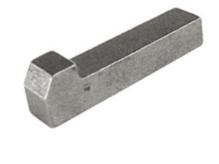
Taper gib-head keys are heavy-duty drive keys with a 1:100 taper on the top face and a raised head at the large end. Driving the key home wedges shaft and hub together; the projecting gib head gives the purchase to draw it back out. We supply them in key steel, available across metric sections from 8 × 7mm to 50 × 28mm in lengths from 32mm to 200mm, with inch sizes to BS 46 alongside.
Also known as: gib head key, taper key, gib-head taper key, drive key, bs 46 taper key, din 6887.
DIN 6887 dimensions
| Key width | Key height |
|---|---|
| 8mm | 7mm |
| 10mm | 8mm |
| 12mm | 8mm |
| 14mm | 9mm |
| 16mm | 10mm |
| 18mm | 11mm |
| 20mm | 12mm |
| 22mm | 14mm |
| 25mm | 14mm |
| 28mm | 16mm |
| 32mm | 18mm |
| 36mm | 20mm |
| 40mm | 22mm |
| 45mm | 25mm |
| 50mm | 28mm |
Materials & strength
1:100 locking taper
The top face tapers at 1 in 100. Driven tight, the key preloads shaft against hub so the drive is carried without rock or backlash - suited to heavy, reversing drives.
Gib head for extraction
The raised head at the large end accepts a wedge or drift, so the key can be drawn without access behind the hub - the practical difference from a plain taper key.
Heavy-duty keyed drive
Among keyed connections the driven taper key is at the heavy end of the scale, chosen where a parallel key would need to be impractically large.
Related specificationsHow is a gib-head key fitted and removed?
The key is driven along the keyway until the taper locks, head clear of the hub face. To remove, a wedge or drift is worked between the gib head and the hub, springing the taper free.
Taper key or parallel key?
A parallel key locates the hub but relies on other means for axial fixing; a driven taper key wedges the joint solid, fixing the hub axially and radially at once. The trade-off is that the wedging action can throw the hub slightly off centre, so precision rotating assemblies usually stay with parallel keys.
What does the head add over a plain taper key?
A plain taper key in a closed keyway can be all but impossible to extract. The gib head keeps an extraction point accessible at the hub face, at the cost of a projection that may need guarding on rotating shafts.
Need DIN 6887 in a non-standard size or material?
Send us your drawing — specials quoted within one working day.