
DIN 467 Knurled Thumb Nuts, Low Type
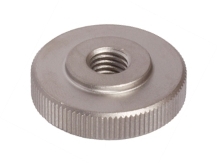
We supply Low Type Knurled Thumb Nuts to DIN 467
DIN 467 dimensions
| Diameter | Pitch | Head O/D | Body Diameter | Head Depth | Overall Height |
|---|---|---|---|---|---|
| M3 | 0.5mm | 12.0mm | 6.0mm | 2.5mm | 3.0mm |
| M4 | 0.7mm | 16.0mm | 8.0mm | 3.5mm | 4.0mm |
| M5 | 0.8mm | 20.0mm | 10.0mm | 4.0mm | 5.0mm |
| M6 | 1.0mm | 24.0mm | 12.0mm | 5.0mm | 6.0mm |
| M8 | 1.25mm | 30.0mm | 16.0mm | 6.0mm | 8.0mm |
| M10 | 1.5mm | 36.0mm | 20.0mm | 8.0mm | 10.0mm |
Materials & strength
Low-profile knurled grip
The flat knurled form gives tool-free adjustment while keeping the fixing height to a minimum.
Steel, stainless & brass
Zinc plated steel covers general indoor duties, stainless covers damp or corrosive conditions, and brass suits decorative and corrosion-sensitive work.
What is a DIN 467 thumb nut?
DIN 467 covers low-type knurled thumb nuts: flat, disc-like nuts with a knurled edge for hand-tightening. They give tool-free adjustment in a lower profile than the high DIN 466 pattern.
When is the low type preferred over the high type?
Where headroom is tight or a flush, unobtrusive fixing is wanted - instrument panels, covers and trim. The taller DIN 466 head offers more grip surface for the fingers.
What is the difference between DIN 467 and DIN 466?
The two are the low and high patterns of the same knurled thumb nut idea; DIN 467 is the flat form and DIN 466 the tall form with a raised head. Choose by the grip and clearance the assembly allows.
What materials are DIN 467 thumb nuts available in?
DIN 467 thumb nuts are available in zinc plated steel, stainless steel and brass across a wide range of metric sizes. Brass and stainless suit corrosive or decorative applications.
Need DIN 467 in a non-standard size or material?
Send us your drawing — specials quoted within one working day.