
DIN 7 Unhardened Dowel Pins (ISO 2338)
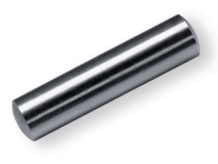
We supply DIN 7 unhardened dowel pins in plain steel and in A1 and A4 stainless steel, with diameters from 1.5mm to 16mm and lengths from 4mm to 110mm. The pattern suits location work where the wear resistance of a hardened dowel is not required, and is made in two tolerance classes - m6 for an interference press fit and h8 for a sliding location fit - both covered on this page.
Also known as: unhardened dowel pin, plain dowel pin, stainless dowel pin, cylindrical pin, parallel pin, iso 2338, din 7.
Materials & strength
Unhardened body
DIN 7 dowels are supplied without through-hardening, suiting location duties in softer host materials and assemblies where a hardened pin is unnecessary.
Two tolerance classes
Pins are made in the m6 class for an interference press fit and the h8 class for a sliding location fit, so the same pattern covers both fixed dowelling and locate-and-remove duties.
Austenitic stainless steel
ISO 2338 specifies unhardened steel or austenitic stainless steel. We supply stainless pins for general corrosion-resistant location work and for marine and chemical exposure.
Related specificationsWhen should I use DIN 7 rather than DIN 6325?
Use DIN 7 where the dowel simply locates parts and is not subject to heavy shear or wear - it is unhardened, so it is kinder to soft host materials. DIN 6325 is the through-hardened pattern for higher-duty location.
How does DIN 7 relate to ISO 2338?
Both cover unhardened parallel dowel pins. ISO 2338 is published with more than one diameter tolerance option, so where the fit is critical the drawing should state the tolerance class as well as the size.
Which stainless grade should I choose?
The standard specifies austenitic stainless steel rather than a particular grade. A general austenitic grade covers most indoor and engineering environments; specify a higher-alloy austenitic grade where the assembly sees salt water, chemical splash or frequent washdown.
What hole size do these pins need?
The hole is reamed at the nominal pin diameter. An m6 pin then gives an interference fit, while an h8 pin slides to a close location fit - so state the tolerance class with the size when ordering. The hole should be parallel through its depth so the pin beds evenly.
Need DIN 7 (ISO 2338) in a non-standard size or material?
Send us your drawing — specials quoted within one working day.